
Rarity
Pietre preziose, semipreziose o solo dure..?
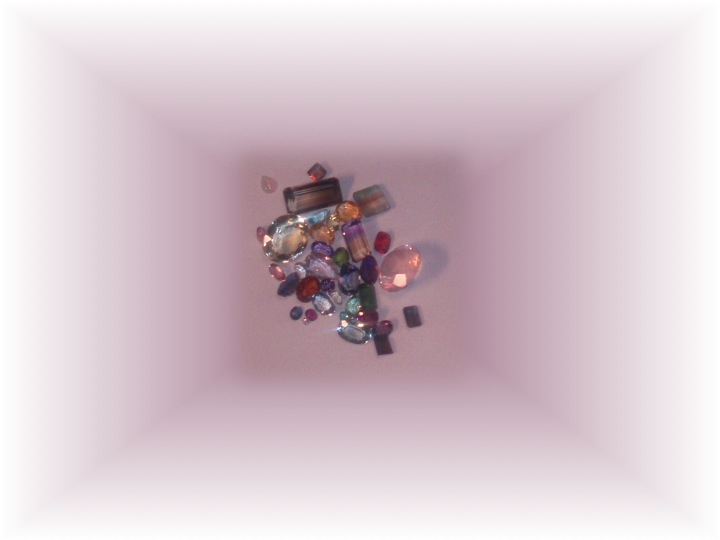 Come si fa a sapere se una pietra è davvero una “gemma”? Qualsiasi materiale naturale diventa gemma se possiede tre caratteristiche: BELLEZZA, RARITA’, DUREVOLEZZA. Di gemme ce ne sono moltissime, meglio non fermarsi a nomi altisonanti o definizioni “semipreziose” e curiosare nei negozi specializzati.
Una gemma è un materiale naturale di origine minerale, come il quarzo ametista, oppure organica, come le perle, scelto e lavorato dall’uomo per essere utilizzato come elemento decorativo.
Come si fa a sapere se una pietra è davvero preziosa? E quando la possiamo chiamare “gemma”?
Pietra semipreziosa e Pietra dura sono termini tanto diffusi quanto imprecisi che relegano tutte le pietre che non sono diamanti, rubini, zaffiri o smeraldi, al rango di gemme “inferiori”, cioè semipreziose, e tutte le pietre non trasparenti a semplici “pietre dure”.
Non è esattamente così, soprattutto a livello internazionale dove l’utilizzo di molte gemme differenti è molto più diffuso che in Italia: ci sono pietre dure e semipreziose molto più pregiate di certe pietre cosiddette “preziose”.

Qualsiasi pietra diventa gemma se possiede tre caratteristiche: BELLEZZA, RARITA’, DUREVOLEZZA. Più queste caratteristiche sono accentuate e più il materiale è pregiato.
Se è vero che “è bello quel che piace” la BELLEZZA di una gemma dovrà in qualche modo deliziare i sensi e la mente con l’intensità e la nitidezza del colore, qualunque esso sia, la trasparenza e la lucentezza della superficie, la perfezione o l’originalità della forma e dunque del taglio. Un rubino dal colore slavato e poco trasparente, non è una pietra davvero “bella” nonostante la nobiltà espressa dal nome. E così smeraldi scuri o molto fratturati e zaffiri blu cupi o senza luce.
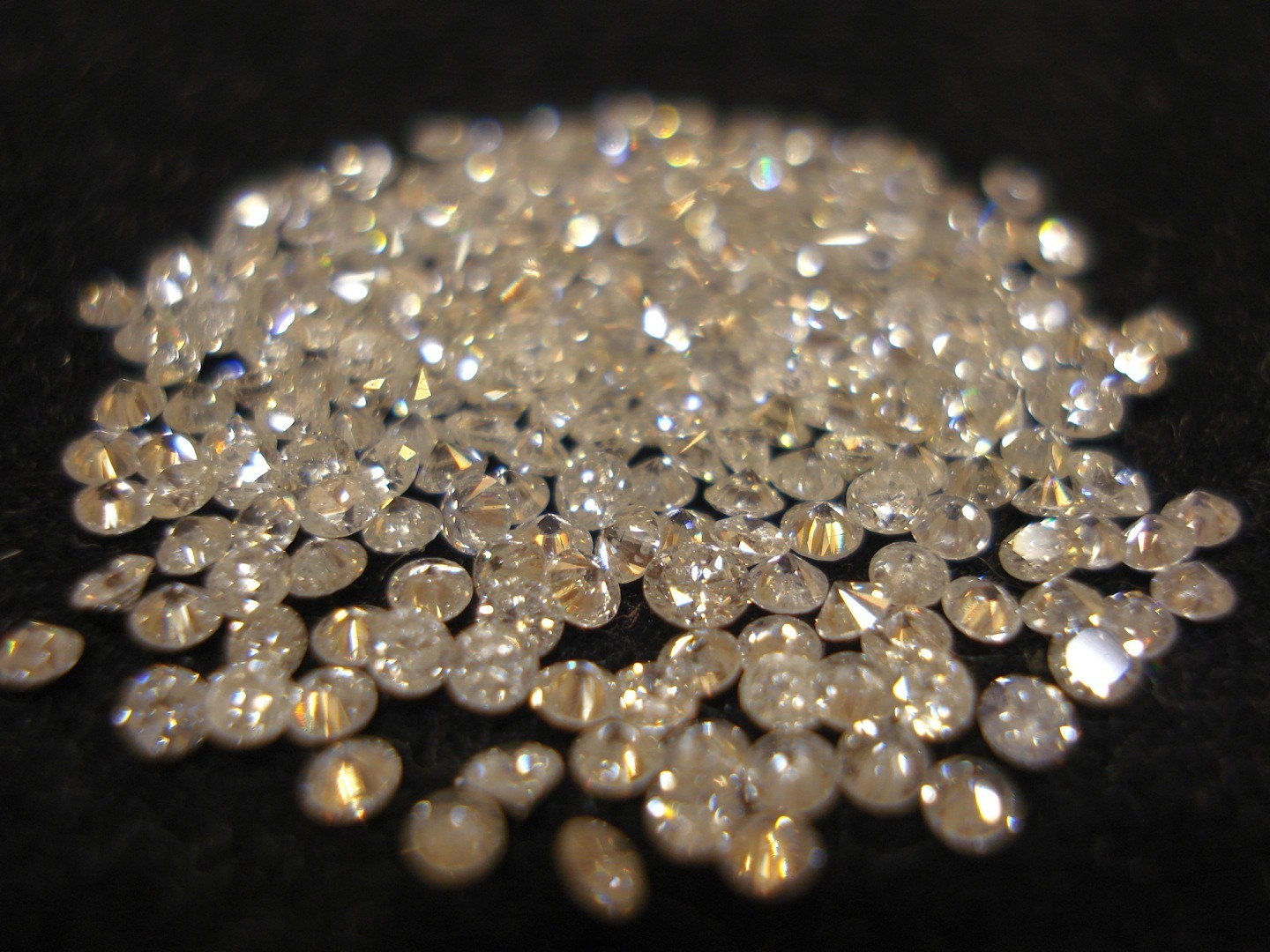
La RARITA’ è un concetto apparentemente semplice: più un oggetto è scarsamente disponibile sul mercato e più è raro e dunque prezioso. E’ un concetto chiave a cui fare molta attenzione se si desidera qualcosa di “costoso”. I diamanti molto piccoli non sono poi così rari…
La DUREVOLEZZA è aspetto interessante che si riferisce a parametri “fisici” del materiale che ne condizionano la durata nel tempo. Se un materiale si riga facilmente, scolora alla luce o al calore, non resiste ad un comune detersivo per le mani, non potrà essere montato su oggetti destinati a durare nel tempo. La questione coinvolge ad esempio molte “pietre dure”, sia perchè materiali porosi e delicati sia perchè spesso trattate artificialmente per migliorare l’aspetto a scapito della durevolezza.
Di gemme ce ne sono moltissime, meglio non fermarsi a nomi altisonanti o definizioni “semipreziose” e curiosare nei negozi specializzati.
Essere curiosi e informati è il modo migliore per stupirsi ancora e scegliere una gemma davvero nostra e preziosa!
Precious, semiprecious or only stones…?
A gemstone is a natural material of mineral origin, such as quartz amethyst, or organic, such as pearls, selected and worked by people to be used as a decorative element. How do you know if a stone is really valuable? And when we can call it “gem”?
Some terms like “Semi Precious Stone” are so widespread as inaccurate that relegate all the stones are not diamonds, rubies, sapphires or emeralds, gems to the rank of “inferior”, that is, semi-precious stones, and all non-transparent to simple “stones” .
It is not exactly like that, especially at the international level where the use of many different gems is much more widespread than in Italy: there are precious stones and semi-precious stones very finest of certain so-called “precious”.
Any stone becomes gem if it has three characteristics: BEAUTY, RARITY, DURABILITY. Most of these features are accentuated and more material is prized.
If it is true that “it is nice that they like” the BEAUTY of a gem will somehow delight the senses and the mind with the intensity and sharpness of the color, whatever it is, the transparency and surface gloss, perfection or the originality of the form and thus of the cut. A ruby color washed out and not very transparent, not a stone really “beautiful” despite the nobility expressed by name. And so emeralds dark or very fractured and dark blue sapphires or without light.
The RARITY is a seemingly simple concept: more an object is rarely available on the market and it is rare and therefore more valuable. It ‘a key concept to which careful if you want something “expensive”. The tiny diamonds are not as rare …
DURABILITY is interesting aspect that relates to the parameters “physical” of the material that influence the duration in time. If a material is easily scratched, discolored to light or heat, is not resistant to a common detergent for hands, can not be mounted on articles intended to last. The question involves many such “opaque stones”, both because porous materials and delicate both because often artificially treated to improve the appearance at the expense of durability.
There are plenty of gems, better not stop sounding names or definitions “semi-precious” and browse in stores. Being curious and well-informed is the best way to surprise again and choose a gem and really our precious!
 My Jewel Cafè